
Learn · Part 3 of 4
Carbon Dioxide and Breathing
Respiration is the physiological process that supports cellular energy production and the exchange of oxygen and carbon dioxide. Breathing is the behavior that moves air in and out of the lungs. Although breathing happens automatically, it is also influenced by our habits, emotions, attention, and experiences. How we breathe influences the chemistry that allows our bodies to function.
More air is not always better
Most of us have been taught that breathing is about getting oxygen into the body. Oxygen is essential, but it is only part of the story.
Carbon dioxide is equally important to understand. Your body produces carbon dioxide as it creates energy. Your lungs release it through breathing.
But carbon dioxide is not simply something to get rid of. It helps regulate blood pH, influences circulation, and affects how readily oxygen is released from the blood into your tissues.
Healthy breathing is not about getting as much oxygen as possible. It is about maintaining the right balance for your body's needs.
Why carbon dioxide matters
When we breathe more air than our body needs, we can release carbon dioxide faster than we produce it. This can cause carbon dioxide levels in the blood to fall, a condition called hypocapnia.
Low carbon dioxide can influence several important functions.
Brain and circulation
Lower carbon dioxide can cause blood vessels in the brain to narrow, temporarily reducing blood flow.
Oxygen delivery
Carbon dioxide helps determine how readily oxygen separates from hemoglobin and becomes available to tissues.
Nerves and muscles
Changes in carbon dioxide and blood pH can influence nerve excitability, muscle tension, and physical sensations.
Breathing comfort
Changes in respiratory chemistry can contribute to sensations of breathlessness, even when oxygen levels are normal.
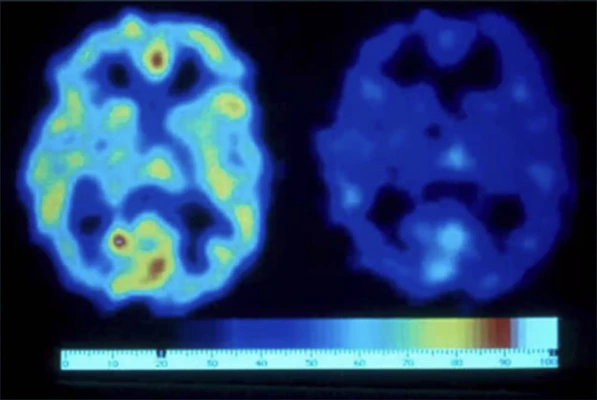
Normal breathing
Hyperventilation
These changes can contribute to sensations such as lightheadedness, tingling, tension, or difficulty concentrating.
They do not explain every symptom, but they illustrate why breathing deserves a closer look.
Breathing Is a Learned Behavior
Breathing happens automatically, but the way we breathe is also influenced by our experiences, emotions, environment, and habits. Over time, our nervous system can learn and repeat certain breathing patterns, often without our conscious awareness.
When we experience stress, fear, pain, or uncertainty, our breathing naturally changes. We may breathe faster, hold our breath, sigh frequently, or recruit the muscles of our neck, shoulders, and upper chest. These are normal responses that help us adapt to challenging situations.
However, our bodies can retain these breathing patterns long after the original stressful experience has passed. What began as a temporary response can gradually become our habitual way of breathing, even when we are safe and at rest.
We can also learn to associate certain situations, environments, thoughts, or emotions with these breathing responses. For example, a difficult conversation, a demanding work environment, or even the anticipation of a stressful event may trigger a familiar breathing pattern before we consciously recognize feeling stressed.
Over time, these learned responses can influence our respiratory chemistry, muscular tension, and the sensations we experience in our bodies
The encouraging part is that what has been learned can also be relearned. By developing awareness of our breathing behavior and understanding how it responds to different situations, we can begin to establish more comfortable, efficient, and adaptable patterns.
When the Body Remains Prepared for a Threat
Our breathing, nervous system, and muscles work together to prepare us for life's demands.
When we perceive a threat, the sympathetic branch of our autonomic nervous system becomes more active. This is commonly known as the fight or flight response. Breathing may increase beyond our immediate needs, lowering carbon dioxide levels and contributing to a state of heightened alertness.
Low carbon dioxide can also have a direct effect on our nerves and muscles.
When carbon dioxide falls, blood becomes more alkaline. This changes how calcium binds to proteins in the blood, temporarily reducing the amount of freely available, or ionized, calcium. Because calcium helps regulate electrical signaling in nerves and muscle activity, this change can make nerves more excitable and muscles more prone to involuntary contractions, spasms, and sensations of tightness.
At the same time, the body's protective response may increase muscular bracing. We may clench our jaw, tighten our neck, lift our shoulders, brace our diaphragm and abdominal muscles, or increase tension through the pelvic floor. The tongue may also become tense or press forward.
This means that breathing can influence muscular tension through two interacting pathways: changes in respiratory chemistry that increase neuromuscular excitability, and nervous system responses that prepare the body for action.
These responses can serve an important purpose when we need to protect ourselves, move quickly, or respond to danger. The challenge arises when these breathing and muscular patterns continue long after the threat has passed.
If this protective state becomes habitual, the body may maintain unnecessary muscular tension even during ordinary daily activities. The jaw may remain clenched, the tongue may struggle to rest comfortably against the palate, and the diaphragm and rib cage may lose some of their freedom to move.
This can make it more difficult to breathe comfortably, coordinate pressure within the trunk, and develop relaxed, efficient movement patterns.
Consider what this means when we are trying to improve tongue function, jaw coordination, or swallowing. If the surrounding muscles are continually braced, asking the tongue or jaw to move differently may be more challenging.
Similarly, orthodontic or dental treatment may address structural concerns without necessarily changing the breathing habits and muscular patterns that influence how those structures are used.
This is why we look beyond the mouth when evaluating oral function.
Respiratory psychophysiology helps us understand the relationships between breathing behavior, respiratory chemistry, nervous system activity, and learned muscular responses.
By recognizing these patterns, we can begin to develop greater flexibility in how the body responds, allowing breathing and movement to become more comfortable and appropriately coordinated.
Before asking the body to function differently, we first need to understand what it has learned to do and help create the conditions for change.
“As a somatic trauma therapist, I thought I understood the breath quite well… I personally made lasting improvements which have supported my nervous system and stress resiliency.”
Pierre Bouchard, MA, LPC
What is Breathing Behavior Analysis?
At Breathe Colorado, we use specialized technology called capnometry to observe breathing behavior and respiratory chemistry. A small sensor measures carbon dioxide at the end of each exhalation. This measurement, called end tidal carbon dioxide, provides useful information about breathing regulation.
We also observe breathing rate, rhythm, volume patterns, muscular effort, and how breathing changes with movement, attention, and position. Rather than assuming everyone needs the same breathing exercise, we explore how your breathing responds under different conditions.
We may discover that your breathing is well regulated in one position but becomes more effortful in another. Or that you can breathe comfortably at rest but develop a different pattern while concentrating or moving.
These observations help guide individualized education and training.
Learning to breathe with less effort
The goal of breathing behavior analysis is not to control every breath. It is to develop greater awareness, coordination, and flexibility so that breathing can respond appropriately to changing demands.
For some people, this involves learning to reduce unnecessary breathing volume. For others, it means improving coordination between the diaphragm, rib cage, and surrounding muscles.
And sometimes, it means recognizing when structural or medical factors require attention beyond breathing training.
We are not trying to make every breath perfect. We are helping your body rediscover an appropriate response to what it needs.
Breathe effortlessly. Be well. · Laura Barlow, CBBA, CSOM, INHC